June, July and August 2026
This summer, Club Voilàrt continued to be a meeting place for art and culture. Throughout June and July, we explored galleries, discovered new cultural spaces in Madrid and enjoyed one of Voilàrt’s most special experiences: visiting the Museo Nacional del Prado before it opened to the public.
These months have been about continuing to do what lies at the heart of the Club: discovering new places, learning from experts and, above all, sharing art with others.
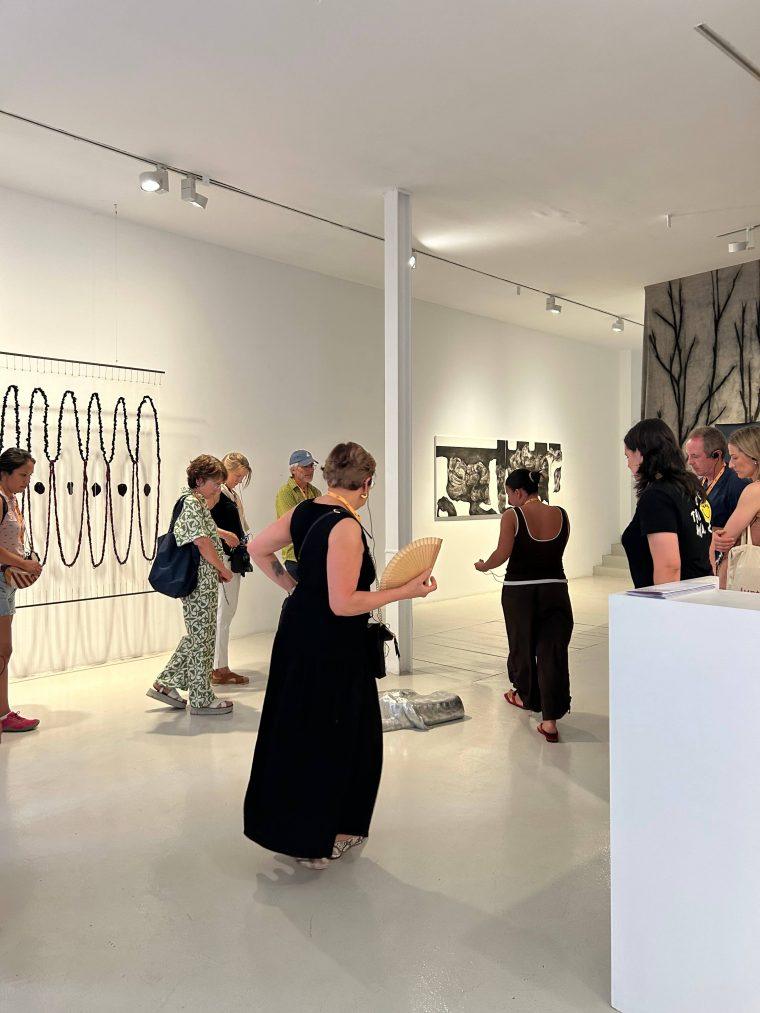
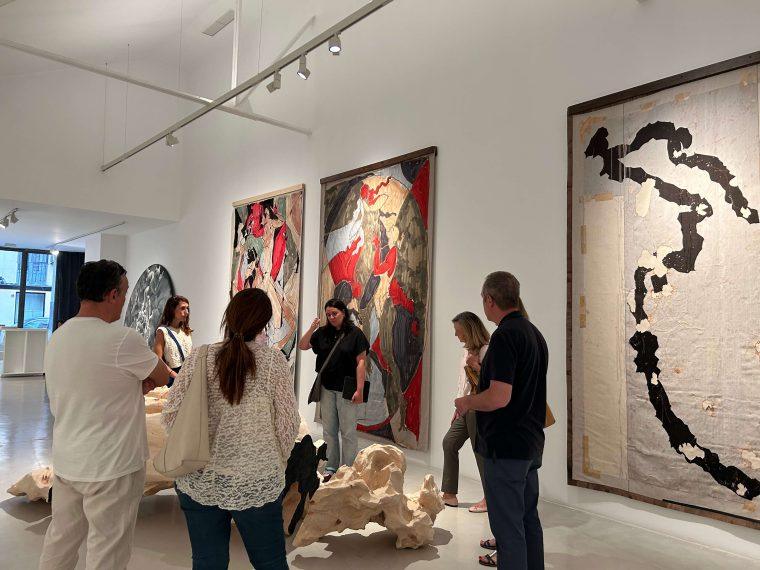
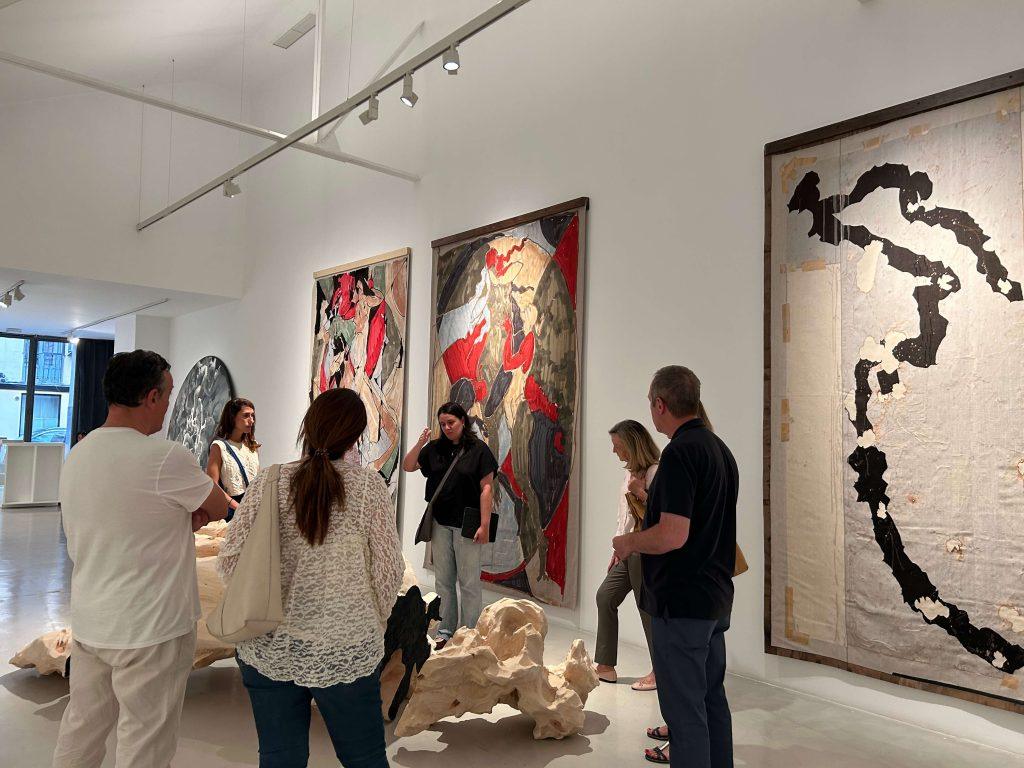
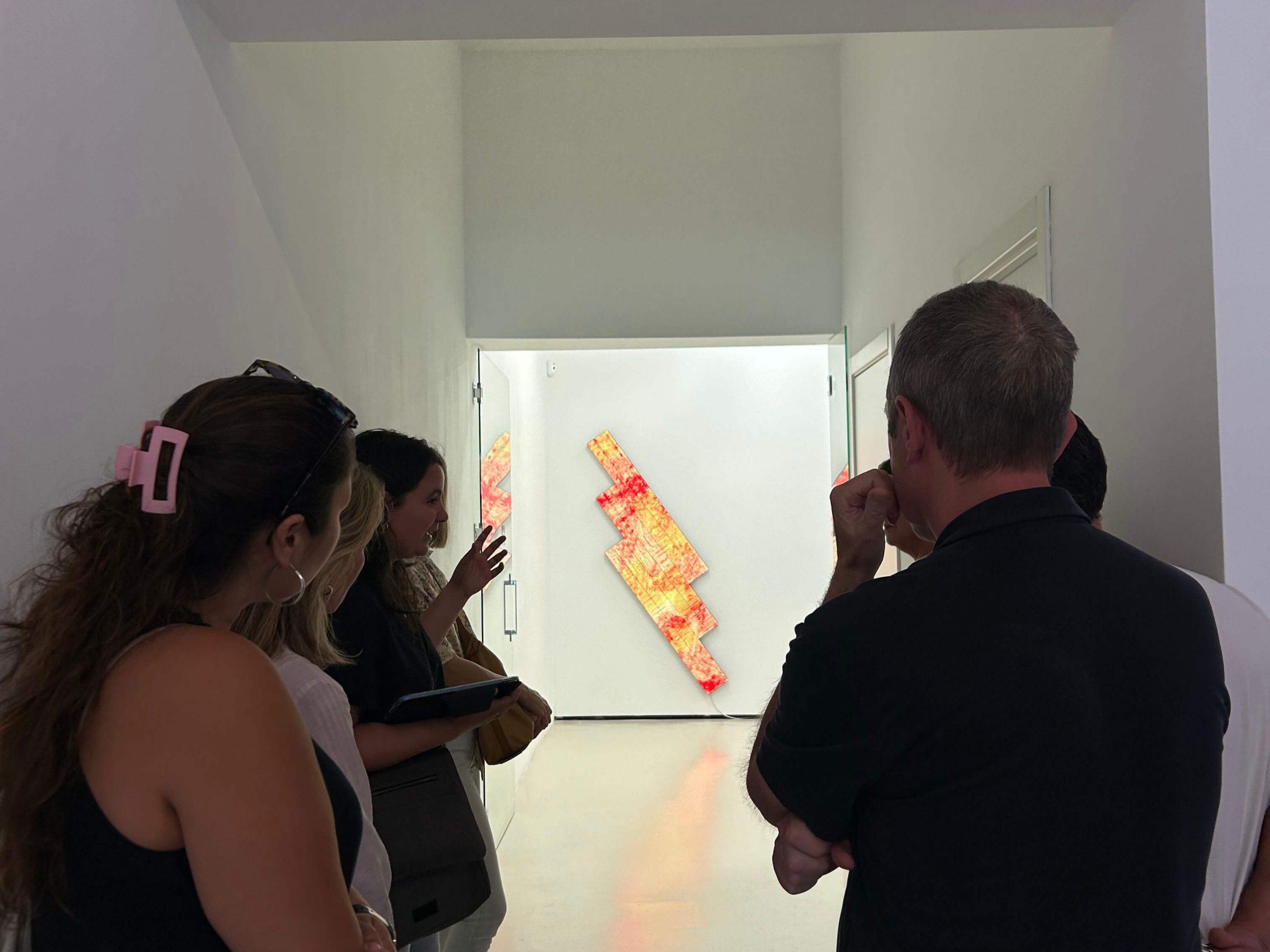
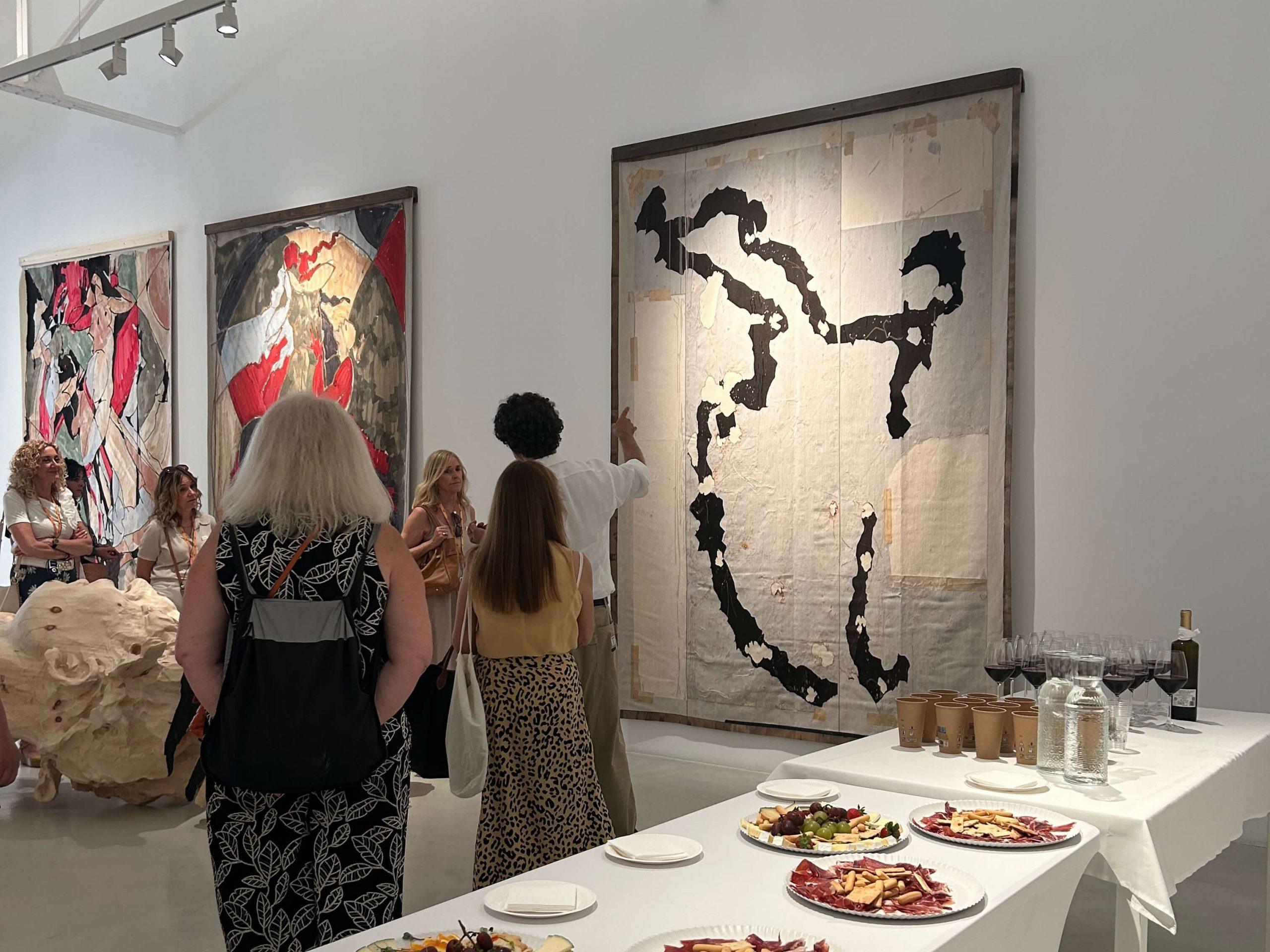
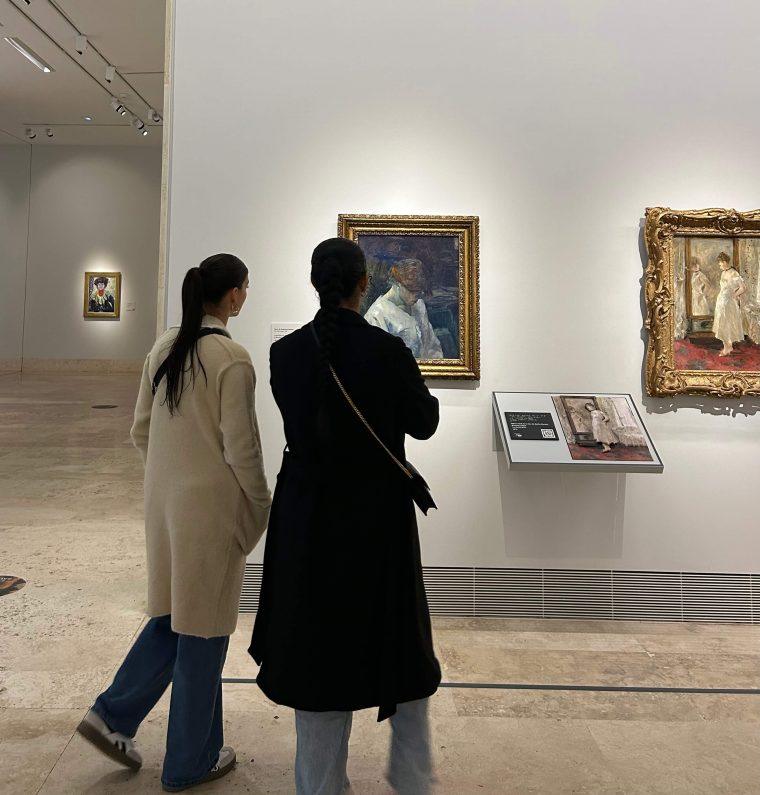
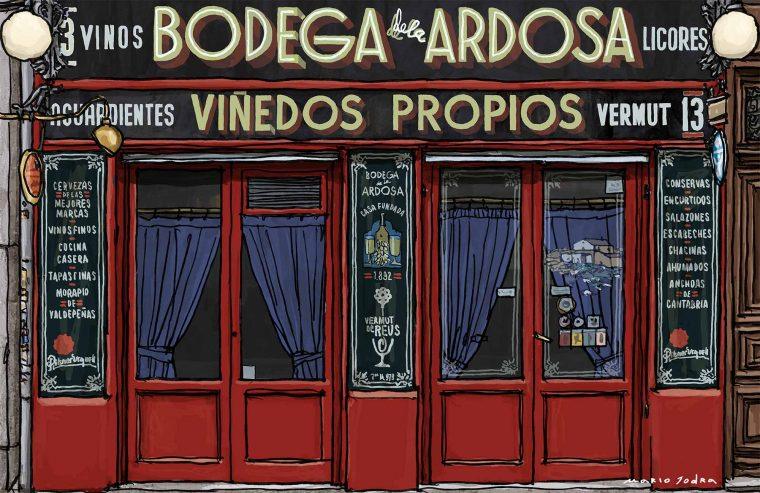
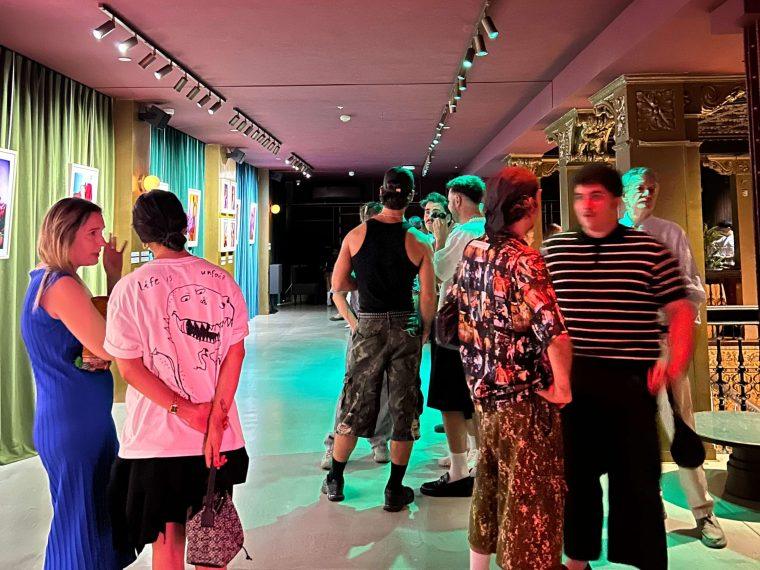
17 June · An afternoon exploring the galleries of Tribunal
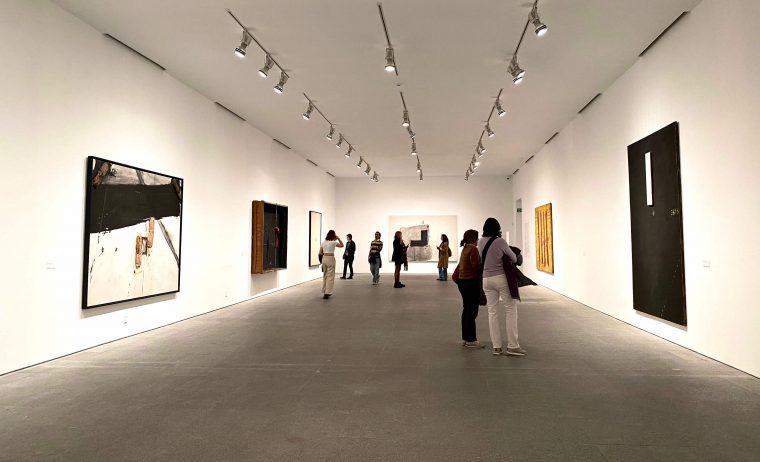
On 17 June, we met in Tribunal to explore some of the neighbourhood’s contemporary art galleries, accompanied by Ana Belén Feijoo.
The visit gave us the opportunity to learn more about how galleries work, discover the exhibitions on view and explore some of the keys to looking at and understanding contemporary art.
There was also plenty of time for conversation. We ended the afternoon over a glass of wine, sharing our thoughts on what we had seen, one of those occasions when the experience continues long after leaving the last gallery.
26 June · Pablo Pérez-Mínguez at Nômade Temple Madrid
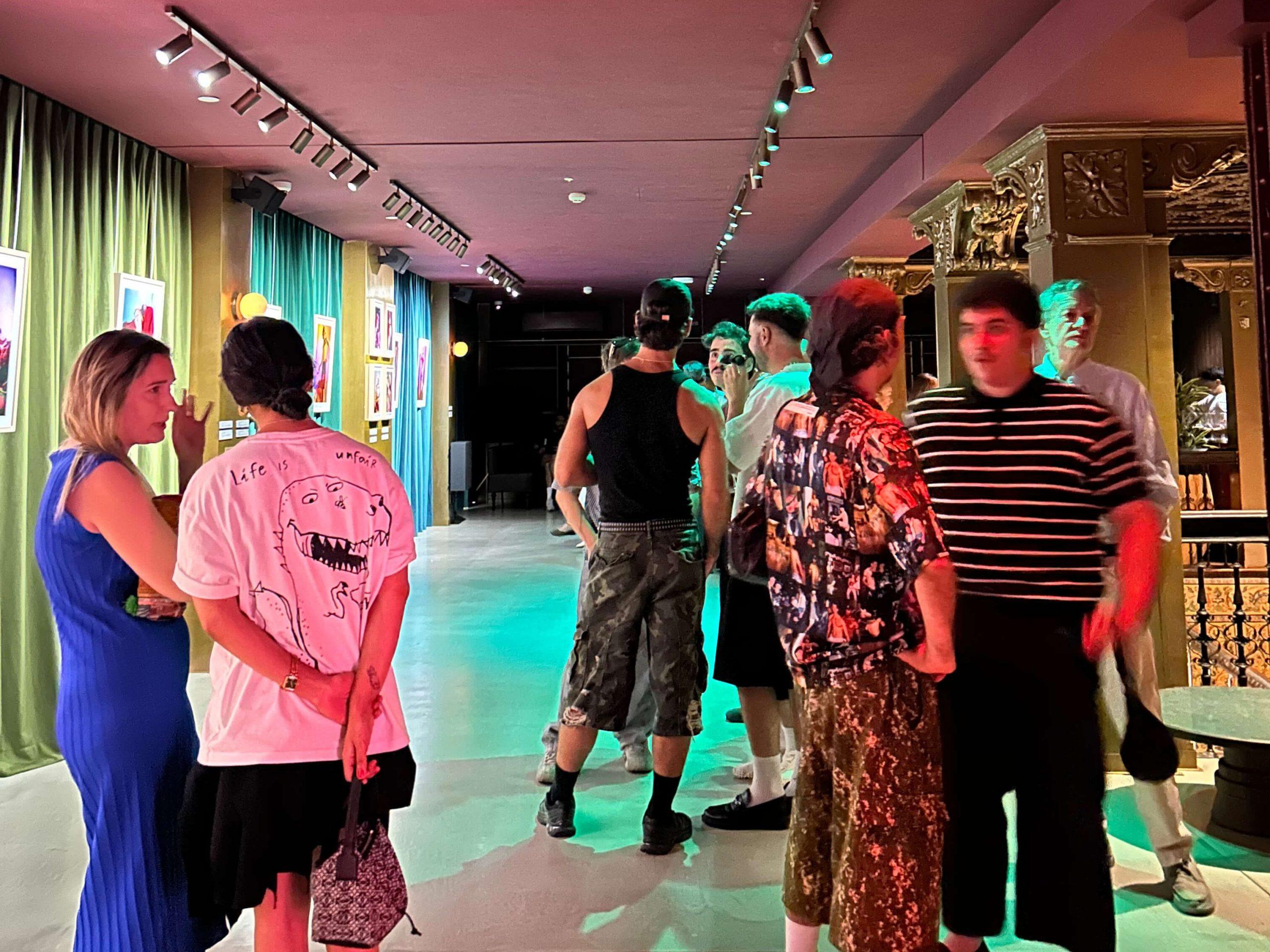
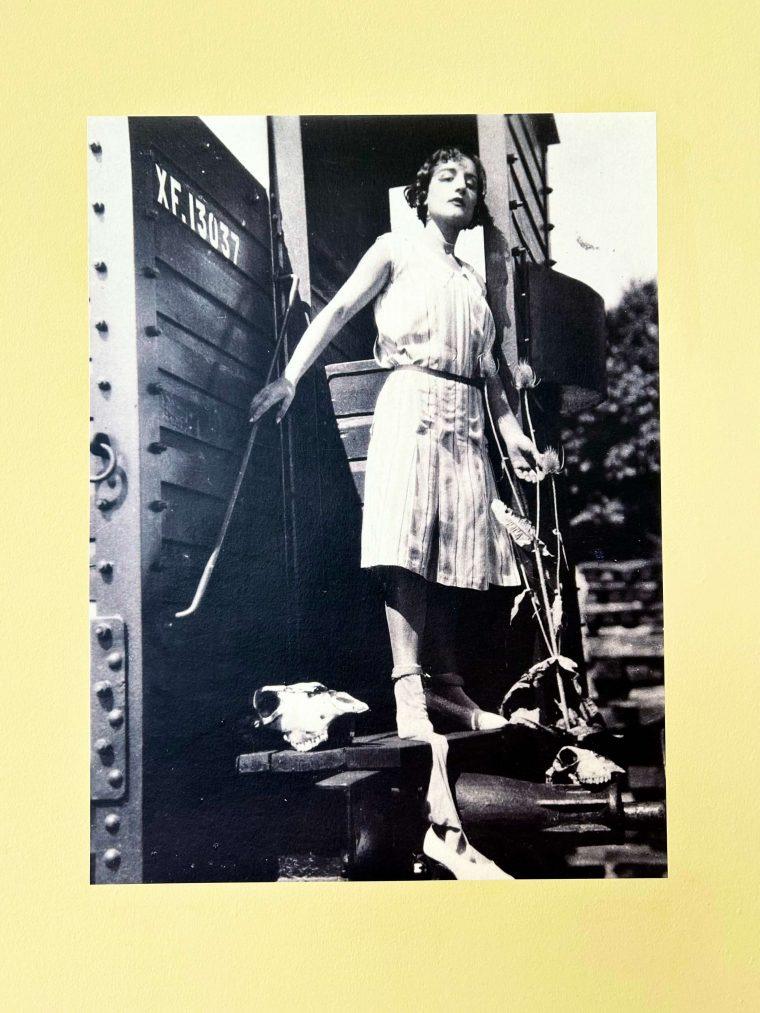
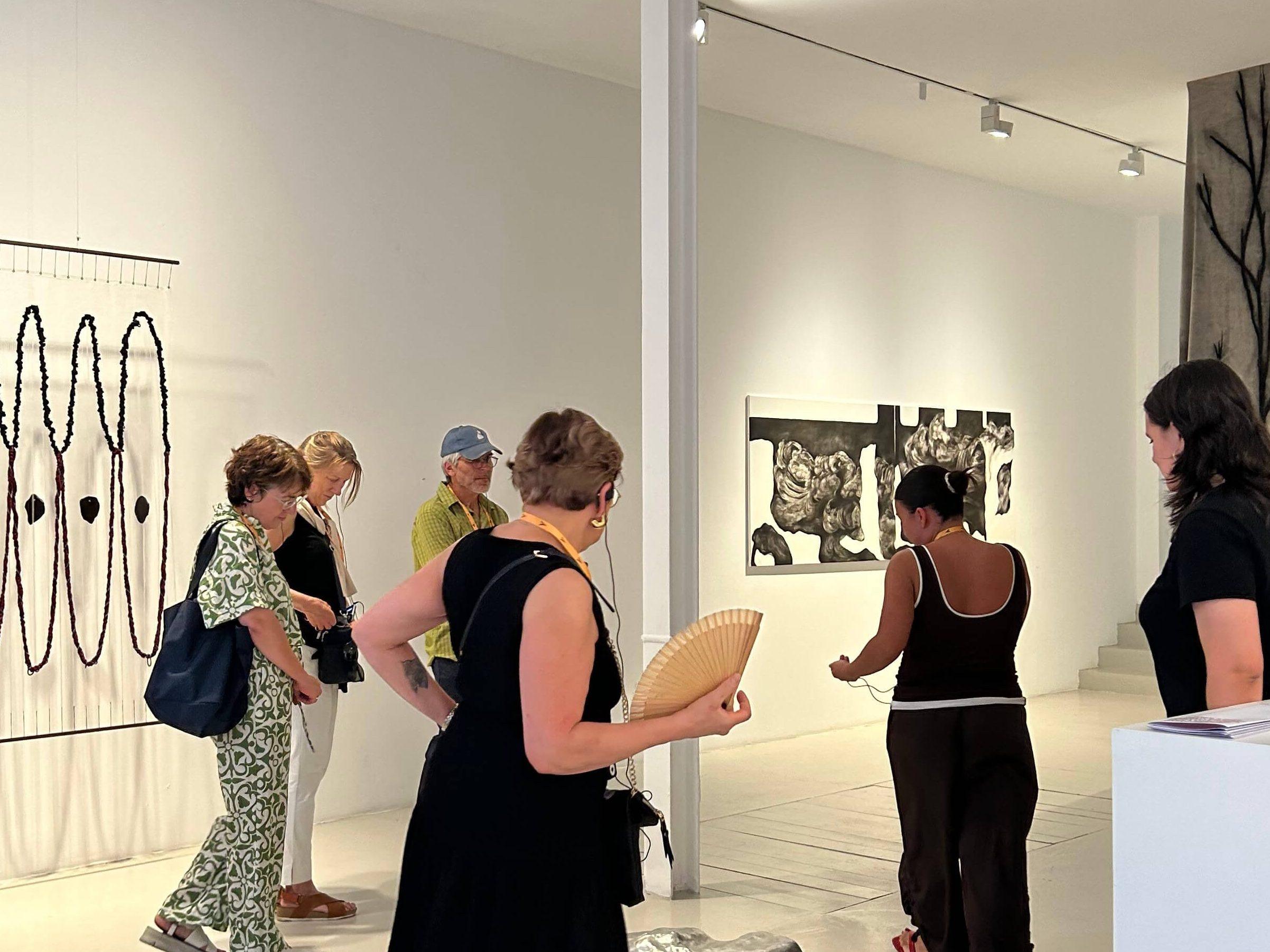
A few days later, on 26 June, we met again to attend the opening of Pastores y Dioses. El desnudo masculino en la obra de Pablo Pérez-Mínguez at Monopol, the cultural space at Nômade Temple Madrid.
Part of the PHotoESPAÑA 2026 programme, the exhibition introduced us to a lesser-known side of Pablo Pérez-Mínguez, one of the photographers most closely associated with Madrid’s Movida cultural movement.
As well as discovering his work, the evening gave us the opportunity to explore a different kind of cultural space in the heart of Gran Vía and enjoy the atmosphere of an exhibition opening together. Because one of the things we value most at the Club is precisely this: finding different ways to experience art.
25 July · The Museo del Prado behind closed doors
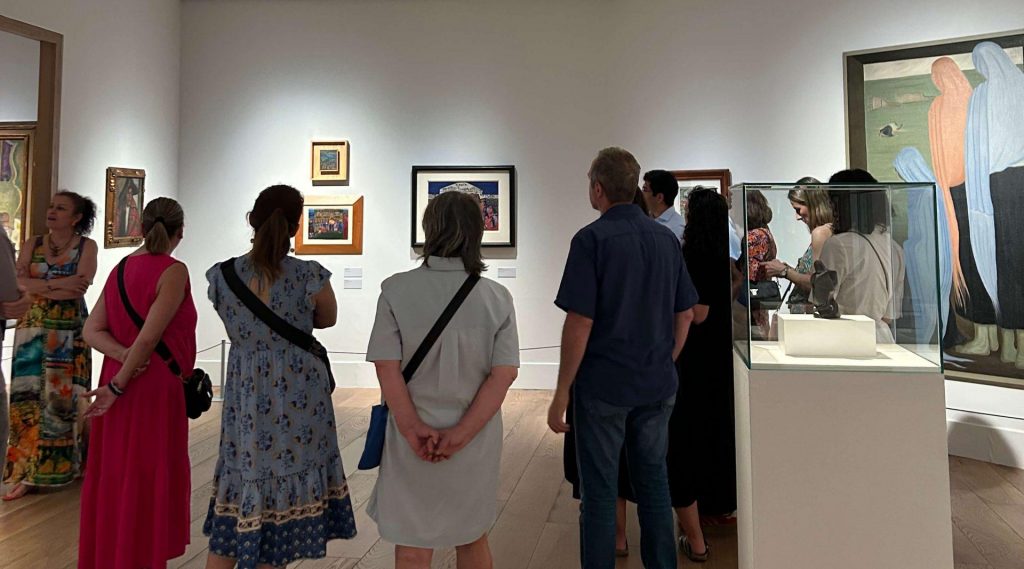
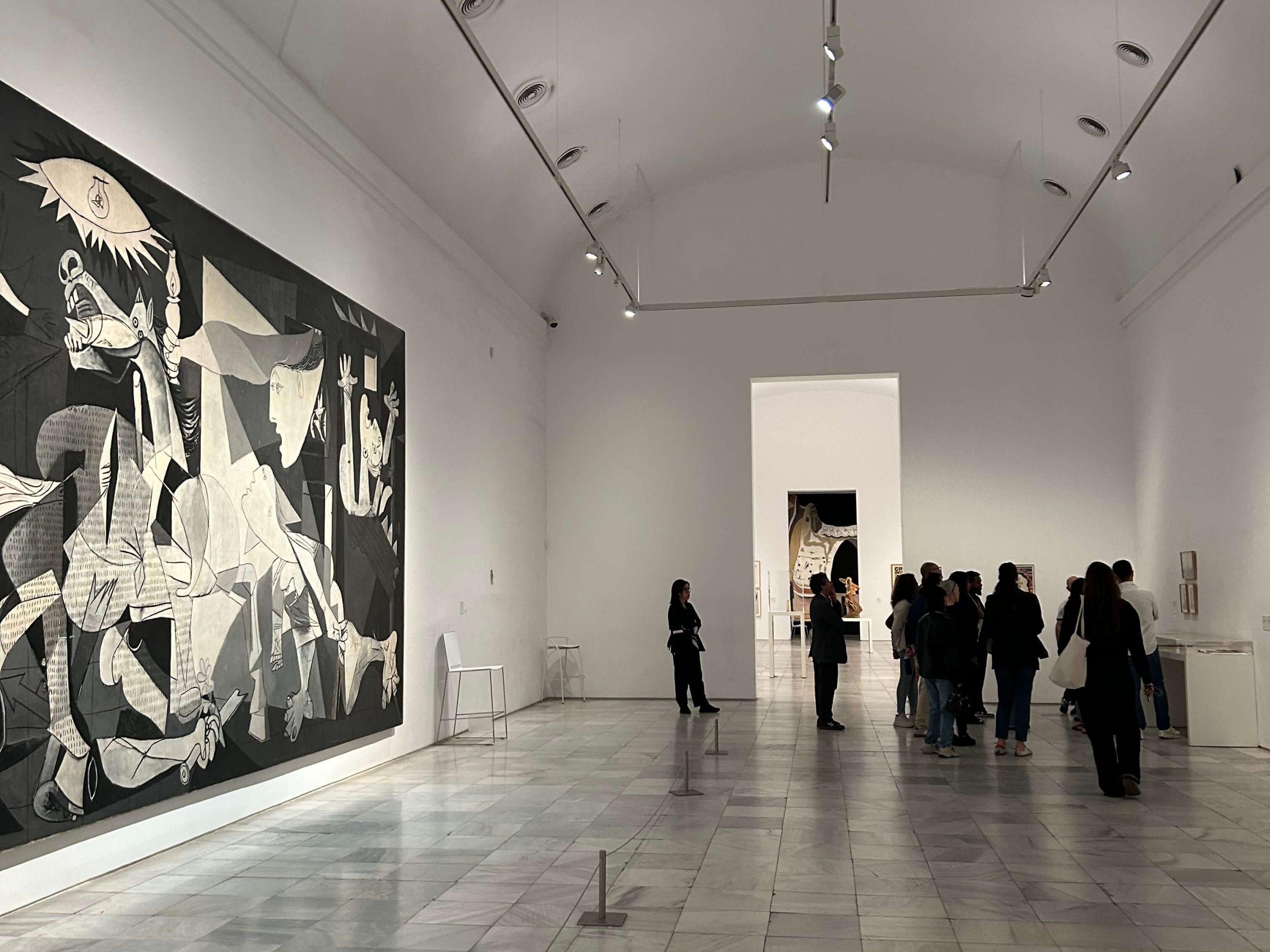
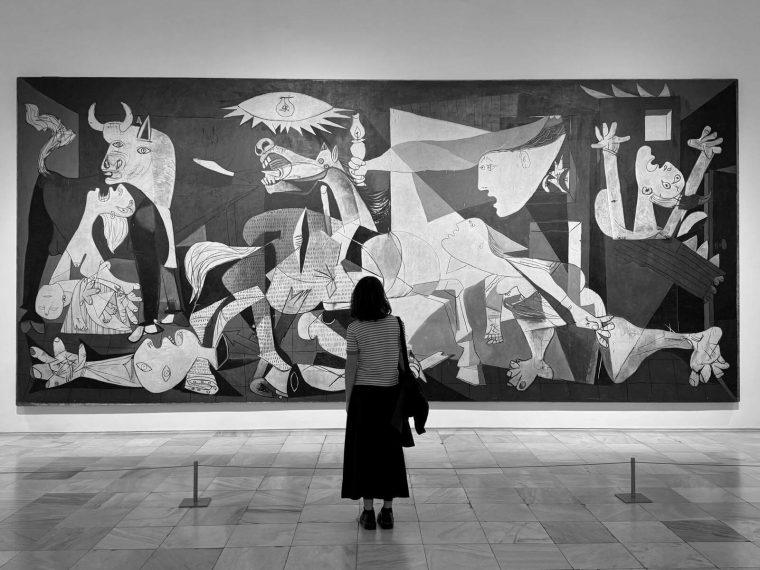
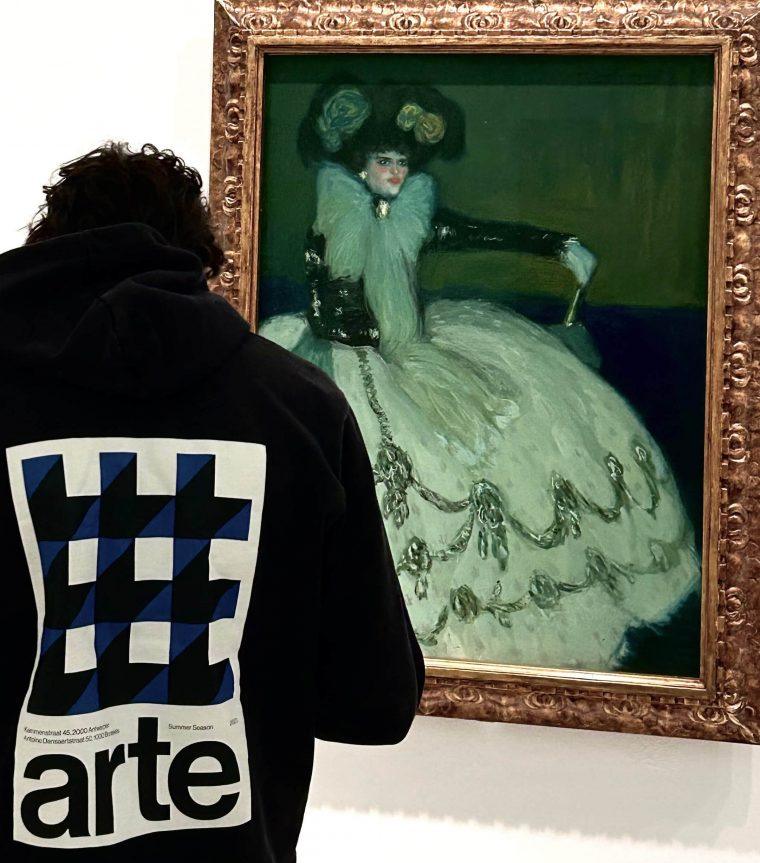
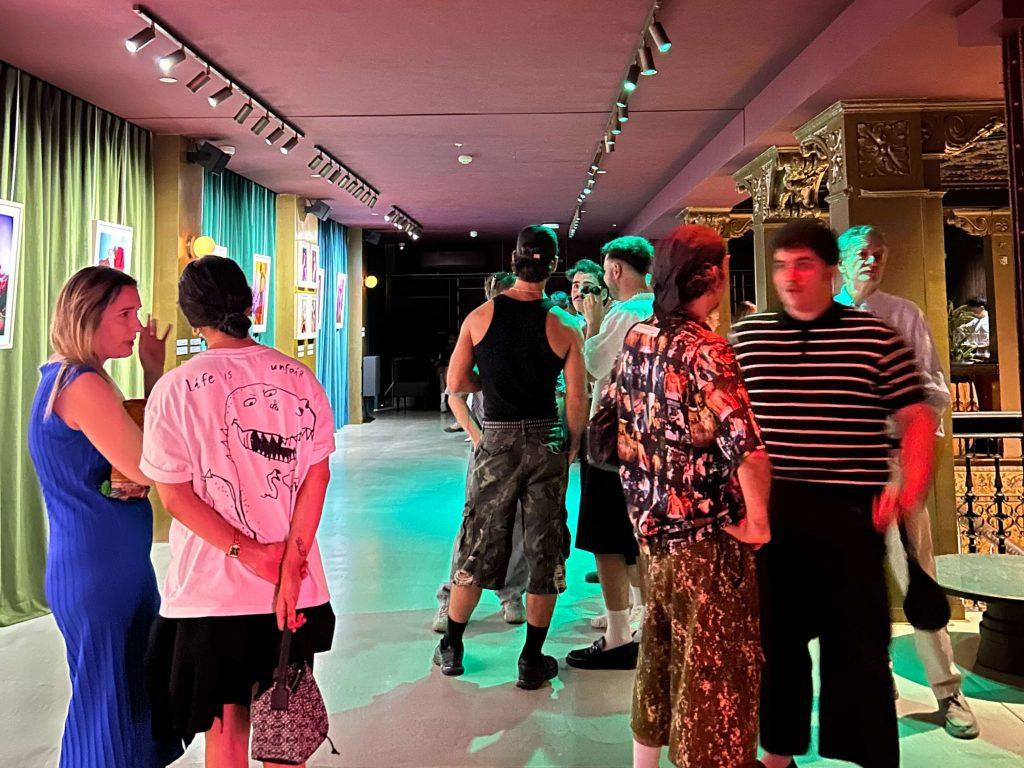
On 25 July, we enjoyed one of the most special moments of the summer: visiting the Museo Nacional del Prado before it opened to the public.
At nine in the morning, while the museum was still closed, we began a two-hour visit through its galleries accompanied by an art history expert.
Without the usual flow of visitors, we were able to take our time in front of the works, observe the details at a slower pace and enjoy something rarely experienced in one of the world’s most visited museums: silence.
Returning to the Prado in this way allowed us to see it from a different perspective. And that is precisely one of the ideas behind Club Voilàrt: returning even to places we think we already know and discovering them anew.
And this is only the beginning
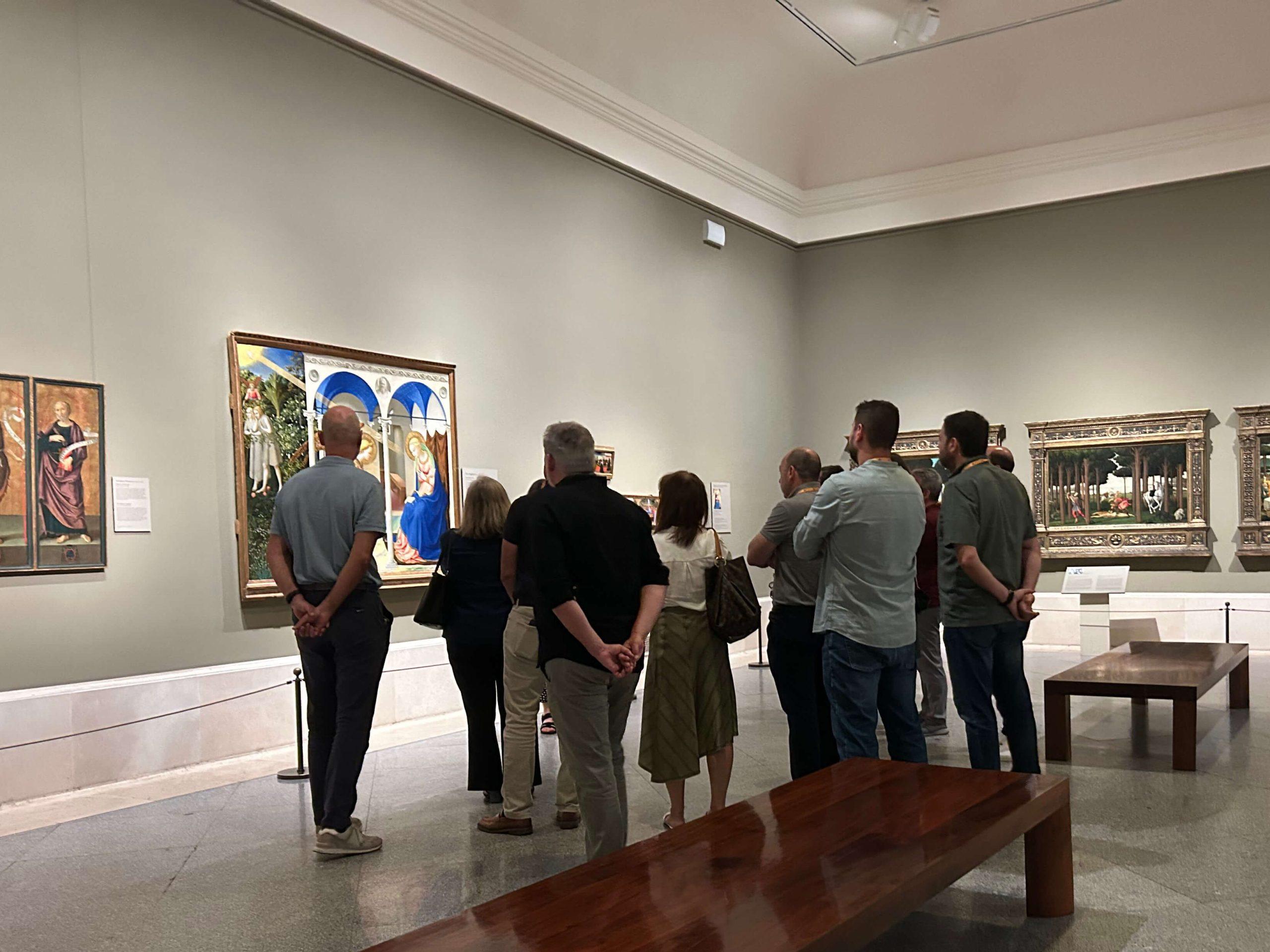
June and July brought us galleries, photography, Old Masters, new cultural spaces and, above all, many moments shared together. August gave us time to prepare for a new season, full of new experiences and opportunities to continue discovering Madrid and its culture from a different perspective.
At Club Voilàrt, we come together every month around art: visiting exhibitions and museums, discovering galleries and new cultural spaces, and sharing experiences designed to enjoy culture at a slower pace and in good company.
If you would also like to be part of our upcoming experiences, we invite you to join Club Voilàrt.
Become a member and discover everything that is still to come.